Dreamtigers

Dreamtigers by Jorge Luis Borges (1964). Borges called this “straggling collection” of tiny prose pieces and poems his most personal book. It contains meditations on the usual Borges themes: doubles, time as a fiction, the incursion of literature on reality.

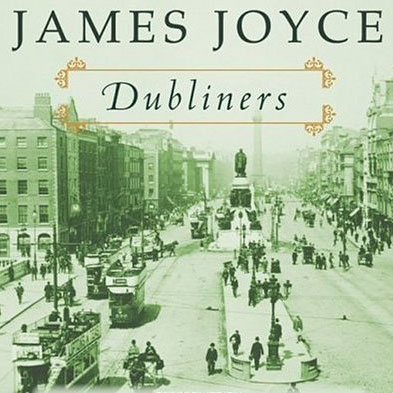
Dubliners

Dubliners by James Joyce (1916). Although many of these largely autobiographical stories evoke themes of death, illness, and stasis, nearly all offer their characters redemption—or at least momentary self-knowledge—through what Joyce called “epiphanies,” in which defeat or disappointment is transformed by a sudden, usually life-altering flash of awareness.

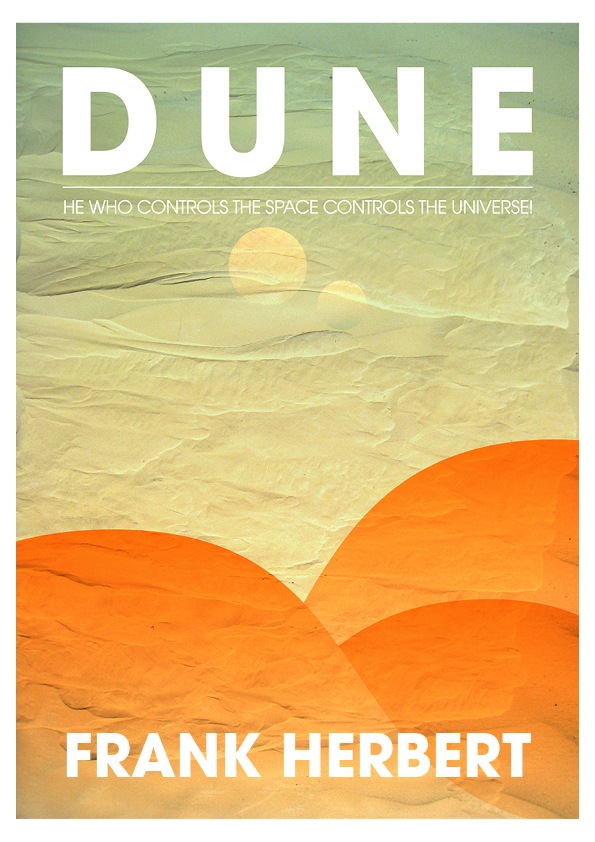
Dune

Dune by Frank Herbert (1965). Winner of the Hugo and Nebula awards, and one of the best-selling works in science fiction history, Dune is a Shakespearean drama set on a withered planet. Conflict centers on Melange, a miraculous substance that extends life, grants psychic powers, and makes space travel possible.

East of Eden

East of Eden by John Steinbeck (1952). A retelling of Cain and Abel set in California’s Salinas Valley between the Civil War and World War I, this novel takes off when Adam Trask realizes that maybe he shouldn’t have married the lovely yet soulless prostitute Cathy Ames: on their wedding night she betrays him with his brother.

Edisto

Edisto by Padget Powell (1984). Imbued with a strong sense of place—an isolated strip of South Carolina coast called Edisto—this novel centers on one Simons Everson Manigault, a twelve-year-old possessed of a vocabulary and sophistication way beyond his years and a preadolescent bewilderment with the behavior of adults.

Embers

Embers by Sándor Márai (1942). Henrik, a nobleman of the Austro-Hungarian Empire, and Konrad, a humble man with ambition, became best friends in military school. They remained inseparable, even after Henrik married Konrad’s friend. Then, one night, their relationship ruptured.

Emma

Emma by Jane Austen (1816). The story of Miss Woodhouse—busybody, know-it-all, and general relationship enthusiast—is a comedy of manners deftly laced with social criticism. The charm largely inheres in Emma’s imperfections: her slightly spoiled maneuverings, her highly fallible matchmaking, her inability to know her own heart.