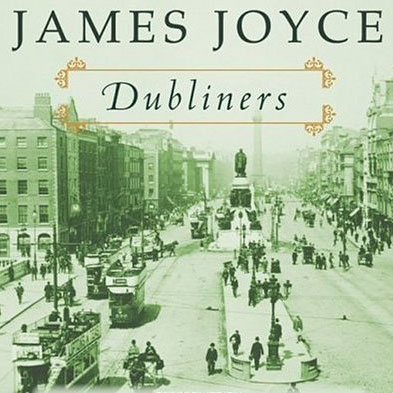
 Dubliners by James Joyce (1916). Although many of these largely autobiographical stories evoke themes of death, illness, and stasis, nearly all offer their characters redemption—or at least momentary self-knowledge—through what Joyce called “epiphanies,” in which defeat or disappointment is transformed by a sudden, usually life-altering flash of awareness. The collection’s emotional centerpiece is its concluding tale, “The Dead,” which moves from a New Year’s Eve party where guests muse about issues of the day—the Catholic church, Irish nationalism, Freddie Malins’s worrying drunkenness—to a man’s discovery of his wife weeping over a boy who died for love of her. A profound portrait of identity and loneliness, it is Joyce’s most compassionate work.
Total Points: 79 (JLB 9) (MCunn 4) (KJF 1) (PF 7) (DG 5) (MG 7) (HK 7) (DMcF 1) (DMe 4) (LM 9) (RBP 4) (JS 5) (LS 10) (MW 6)