Fiskadoro

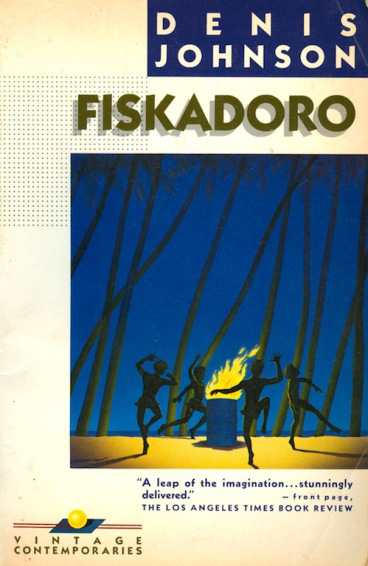
Fiskadoro by Denis Johnson (1985). After a nuclear war devastates the planet, residents of what had been the Florida Keys try to rebuild their lives and communities in a landscape where shards from the obliterated past—religious stories, Jimi Hendrix records, parking decks—remain but are barely understood.
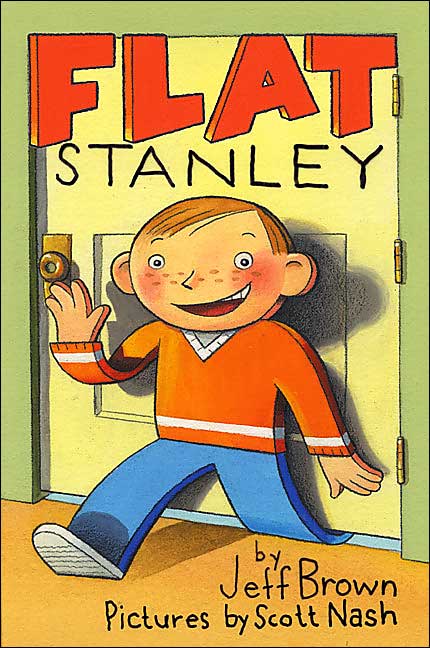
Flat Stanley

Flat Stanley by Jeff Brown (1964). If Kafka had watched a lot of children’s cartoons, this is the book he might have written. Young Stanley Lambchop wakes up one morning flat as a pancake, another victim of a falling bulletin board. He enjoys his flatness at first—sliding into envelopes, slipping through metal grates, foiling a gang of art thieves—but then others begin to mock him.

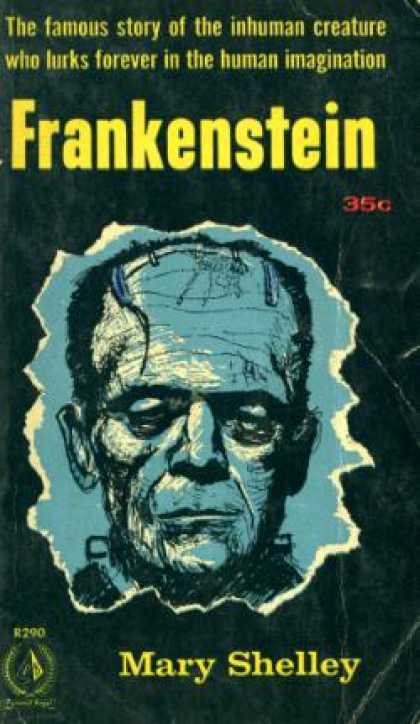
Frankenstein

Frankenstein by Mary Shelley (1818). Readers should be grateful that Dr. Phil was not around in 1818. If he had been, Mary Shelley may have chosen to discuss her traumatic life with him. Instead, she turned trauma into art and wrote Frankenstein, in which the outcast Dr.

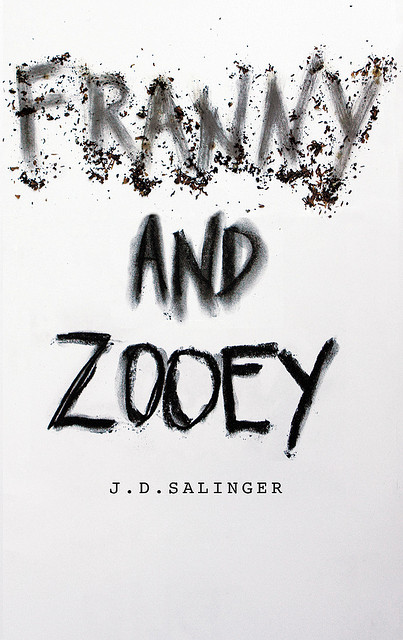
Franny and Zooey

Franny and Zooey by J. D. Salinger (1961). Salinger wrote: “FRANNY came out in The New Yorker in 1955, and was swiftly followed, in 1957 by ZOOEY. Both stories are early, critical entries in a narrative series I'm doing about a family of settlers in twentieth-century New York, the Glasses.

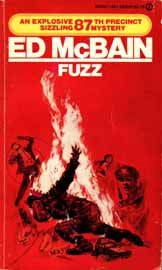
Fuzz

Fuzz by Ed McBain (1968). Fueled by clever plots, sharp dialogue, and vivid characters, McBain’s series of novels set in New York City’s 87th Precinct is a gold standard of the police procedural. This novel features one of the genre’s great villains, the murderous Deaf Man, who taunts and ridicules his blue-clad adversaries.

Gaudy Night

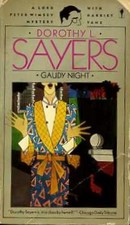
Gaudy Night by Dorothy L. Sayers (1935). Sayers is considered one of the premier detective novelist of the Golden Age, and her dashing sleuth, Lord Peter Wimsey, one of mystery fiction’s most enduring and endearing protagonists. This novel features another of her creations, mystery writer Harriet Vane.

Geek Love

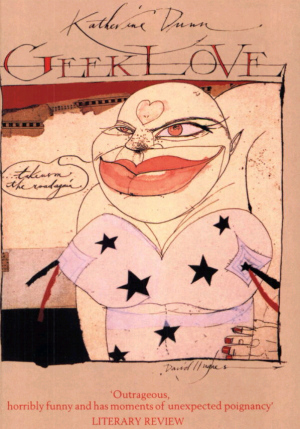
Geek Love by Katherine Dunn (1989). In this wild, oddball novel, Lily and Art Binewski purposely create a family of freaks and geeks by procreating under the influence of experimental drugs. This genetically altered “family” travels as a circus. Dunn’s carnival of misfits is a memorable, darkly funny, and emotionally trenchant portrait of love and family on the fringe.