Death of the Fox & The Succession & Entered from the Sun
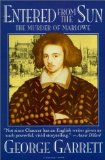 Death of the Fox (1971), The Succession (1983), and Entered from the Sun (1990), a trilogy by George Garrett.
Death of the Fox (1971), The Succession (1983), and Entered from the Sun (1990), a trilogy by George Garrett.
 Decline and Fall by Evelyn Waugh (1928). This hilarious send-up of the English code of honor begins with Paul Pennyfeather’s “sending down” (expulsion) from Oxford. Reduced to teaching at a fourth-rate school, he encounters wonderfully named characters, including Lady Circumference and Lord Tangent, who prove ripe for satire.
 Deptford trilogy by Robertson Davies (1983). A single question—“Who killed Boy Staunton?”—hovers over this trilogy that begins when ten-year-old Percy “Boy” Staunton throws a rock-filled snowball at his friend Dunstan Ramsay. Instead he hits Mary Dempster, who soon gives birth, prematurely, to a boy with birth defects.
 Dirty Snow by Georges Simenon (1950). As this darkest of noirs opens, nineteen-year-old Frank Friedmaier, already a pimp, thug, and petty thief, has just become a murderer. What follows are searing portraits of the cruel and alienated young man who sees violence as a form of self-definition and the corrupt grim world that made him.
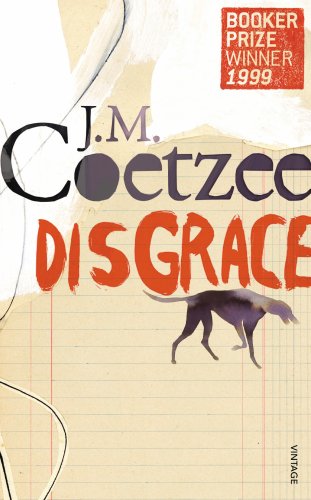 Disgrace by J. M. Coetzee (1999). Fifty-two years old and twice divorced, Professor David Lurie thought the affair with his student might bring passion back to his life. Instead, it costs him his job and his friends when he refuses to repent his sin. He retreats to his daughter’s farm, hoping to build on their relationship and write about Byron.
 Disturbing the Peace by Richard Yates (1975). A meticulous, relentless account of failure and depression, this mordant novel examines the American pursuit of success in accents that echo Fitzgerald and O’Hara.
 Doctor Faustus by Thomas Mann (1947). Mann retells the Faust legend as the story of wunderkind composer Adrian Leverkühn, who trades his human feeling for a brilliant career and demonic inspiration. Leverkühn’s biography, narrated by a faithful childhood friend from the vantage point of 1943 Germany, serves as a symbolic commentary on a nation’s cultural hubris and downfall.
 Dog Soldiers by Robert Stone (1973). Tom Bissell said this novel “has the single greatest death scene I've ever read, and I read it, probably, every couple of weeks to remind me what prose can do.”
Total Points: 2 (TBiss 2)
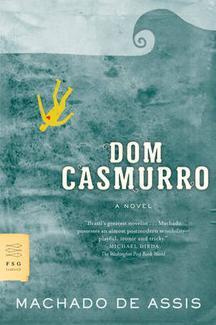 Dom Casmurro by Joaquim Maria Machado de Assis (1899).
Appreciation of Joaquim Maria Machado de Assis’s Dom Casmurro by Michael Griffith
 Don Juan