Cry, the Beloved Country
 Cry, the Beloved Country by Alan Paton (1948). Written just before apartheid became law in South Africa, this novel exposes the nation’s racial problems through the story of a rural black minister who travels to Johannesburg to save a friend’s daughter, who has become a prostitute, and later, his son, who is accused of murder.
 Daniel Deronda
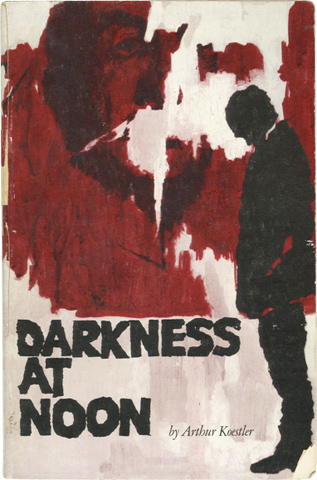 Darkness at Noon
 David Copperfield
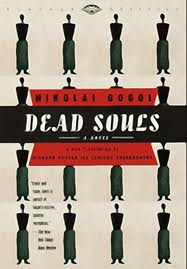 Dead Souls
 Death Comes for the Archbishop
 Death of a Salesman