Clarissa

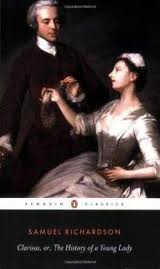
Clarissa by Samuel Richardson (1747–48). This long epistolary novel—full of sexual tension, violence, and psychic conflict—tells the tale of the virtuous Clarissa Harlowe and her rakish suitor, Robert Lovelace. Disowned by her family, confined in a brothel and raped, Clarissa pays a high price for her morality.

Clockers

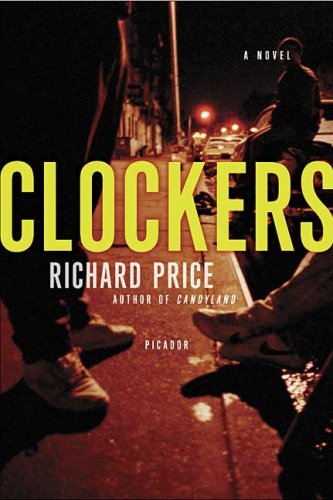
Clockers by Richard Price (1992). When cocaine dealer Strike Dunham’s hardworking brother confesses to murder, burnt-out detective Rocco Klein is convinced that Strike is behind the crime.

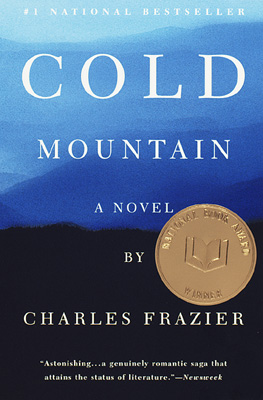
Cold Mountain

Cold Mountain by Charles Frazier (1997). Frazier won the National Book Award for Fiction for his first novel, set in North Carolina during the Civil War. In rich language that evokes his nineteenth-century landscape, Frazier tells two interconnected stories exploring the themes of love and war and the natural world.

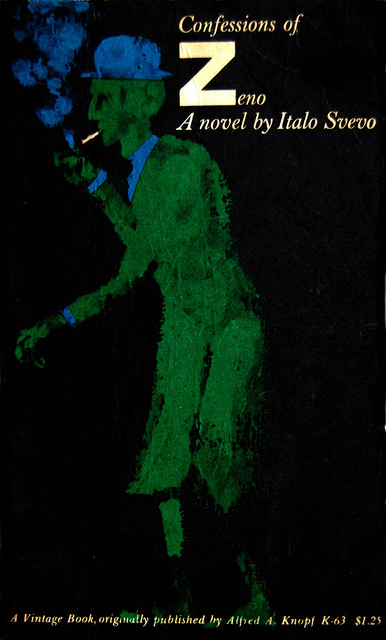
Confessions of Zeno

Confessions of Zeno by Italo Svevo (1923). Hypochondriac, philanderer, dilettante, neurotic, and raconteur, Zeno is a hyperconscious modern man. His subversive memoirs, ostensibly undertaken as a psychoanalytic “cure,” relate youth, courtship, marriage, affairs, and business misadventures with a disarming blend of frankness and humbug.
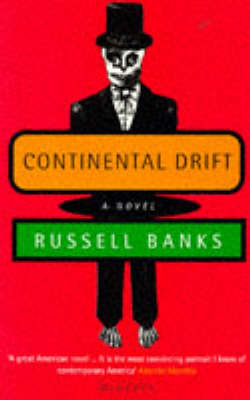
Continental Drift

Continental Drift by Russell Banks (1985). Working-class New Hampshirite Bob Dubois flees his existence as an oil burner repairman for what he assumes will be a warmer future in Florida. Not far from his new home, but in another social universe, Vanise Dorsinvilles undergoes a much more brutal journey to the sunshine state from her native Haiti.

Cousin Bette

Cousin Bette by Honoré de Balzac (1847). Lisbeth (Bette) Fischer, a seamstress for the demimonde of actresses and courtesans and the poor relation of Baron Hulot, has a secret: she is helping to support a poor but noble Polish sculptor. Baron Hulot’s daughter Hortense discovers the secret and helps herself to the handsome sculptor.