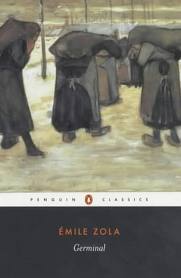
Germinal

Germinal by Émile Zola (1884). As in old pictures of Pittsburgh, a pall of industrial smoke seems to hang over Zola’s grim, stirring novel about a miners strike. Zola uses his usual style of fine-grained graininess to describe the lives crushed (sometimes literally) by work, and the excessive poverty to which the miners’ families seem condemned.
Gone with the Wind

Gone with the Wind by Margaret Mitchell (1936). Many sagas novels have been written about the Civil War and its aftermath. None take us into the burning fields and cities of the American South as Gone With the Wind does. This Pulitzer Prize-winning novel of love and war creates haunting scenes and thrilling portraits of remarkably vivid characters.

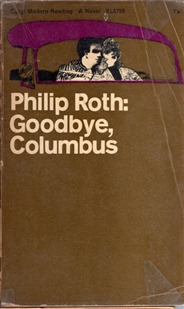
Goodbye, Columbus

Goodbye, Columbus by Philip Roth (1959). Even if it only hinted at the depth of humorous rage Roth would later unload, this is the book that put him on the map. A novella coupled with five short stories, Goodbye, Columbus confronts issues of identity, class tensions within American Jewry, and a suffocating veil of conformity that exists amid so much American opportunity.

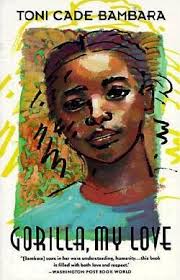
Gorilla, My Love

Gorilla, My Love by Toni Cade Bambara (1972). A feminist and civil rights activist, Bambara strove to create literature that reflected the experiences of black women, the strength of black communities from the urban North to the rural South, and the challenges they faced.

Gulliver's Travels

Gulliver’s Travels by Jonathan Swift (1726, 1735). Lemuel Gulliver, a ship’s doctor, embarks on four wondrous voyages from England to remote nations. Gulliver towers over six-inch Lilliputians and cowers under the giants in Brobdingnag. He witnesses a flying island and a country where horses are civilized and people are brutes.

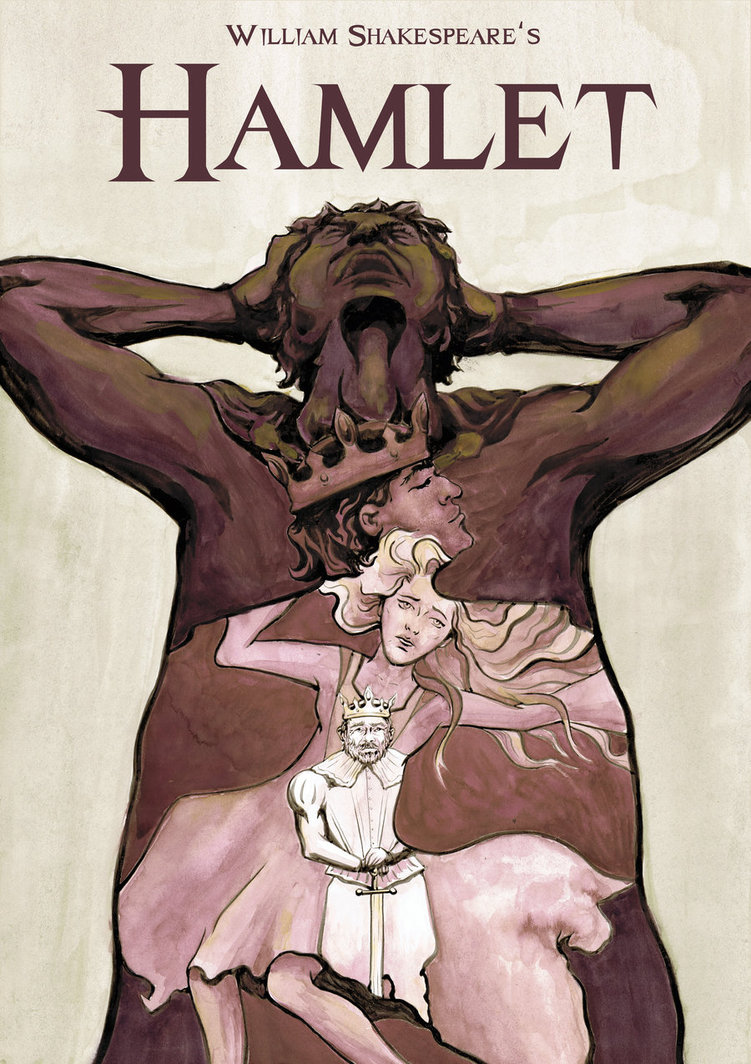
Hamlet

Hamlet by William Shakespeare (1600). The most famous play ever written, Hamlet tells the story of a melancholic prince charged with avenging the murder of his father at the hands of his uncle, who then married his mother and, becoming King of Denmark, robbed Hamlet of the throne.