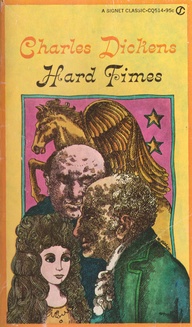
Hard Times

Hard Times by Charles Dickens (1854). “Now, what I want is, Facts,” reads the opening of this entertaining melodrama animated by impassioned social protest and indignant satire. In the humorless martinet Gradgrind, who preaches and practices uncompromising logic and efficiency, Dickens lampoons the soulless utilitarianism of Victorian philosopher John Stuart Mill.
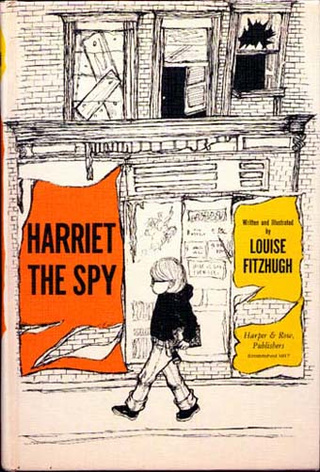
Harriet the Spy

Harriet the Spy by Louise Fitzhugh (1964). Eleven year-old Harriet M. Welsch is a spy living on New York's Upper East Side. In her notebook, she writes down everything she knows about everyone, even her classmates and her best friends. Then Harriet loses track of her notebook, and it ends up in the wrong hands.

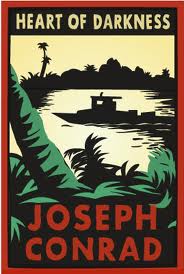
Heart of Darkness

Heart of Darkness by Joseph Conrad (1899). In a novella with prose as lush and brooding as its jungle setting, Phillip Marlowe travels to the Belgian Congo to pilot a trading company’s steamship. There he witnesses the brutality of colonial exploitation, epitomized by Kurtz, an enigmatic white ivory trader.
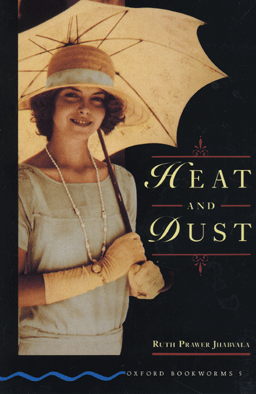

Heat and Dust

Heat and Dust by Ruth Prawer Jhabvala (1975). In 1920s India, the wife of an English officer strangled by propriety falls for a minor prince with a taste for crime. She aborts their child and leaves her husband. Fifty years later, her ex-husband’s granddaughter returns to India to investigate the scandal.

Hedda Gabler

Hedda Gabler by Henrik Ibsen (1890). Like Anna Karenina and Emma Bovary, Hedda Gabler is trapped in a loveless marriage, which she entered into for security and cannot leave for fear of scandal. Though she is “crowing for life,” societal norms constrict her, making Hedda a manipulative and frustrated woman.

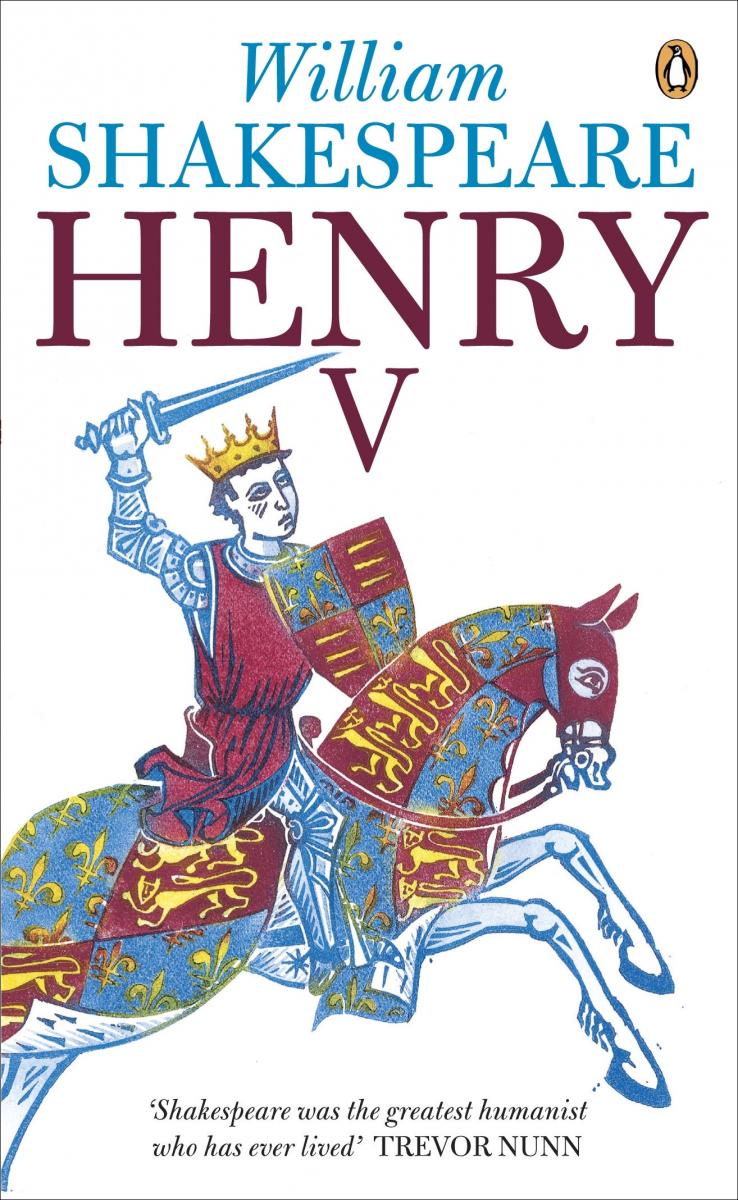
Henry V

Henry V by William Shakespeare (1599). The final play in the Second Henriad (with Henry IV, Parts I and II), Henry V is, ostensibly, a celebration of Henry’s victory over his archenemy, the French, at Agincourt in 1415. Henry thus construed is a great national hero. But the play actually subverts, or at least compromises, such a reading.

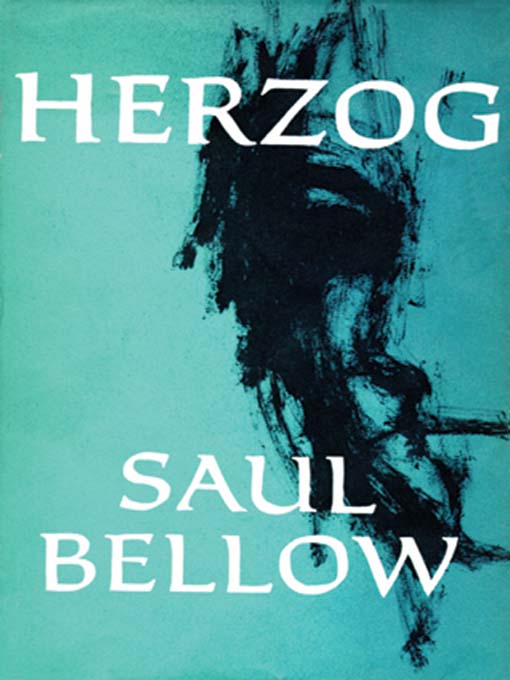
Herzog

Herzog by Saul Bellow (1964). Moses Herzog has two problems: his book on imagination and the intellect has stalled and his second wife has run away with his best friend.