Red Dragon

Red Dragon by Thomas Harris (1981). Imitation is the most annoying form of flattery for archfiend Dr. Hannibal Lecter in this terrifying predecessor to The Silence of the Lambs. Red Dragon describes the original capture of cannibalistic serial killer Lecter and his subsequent indignation on hearing that another monster is imitating his sadistic methods.
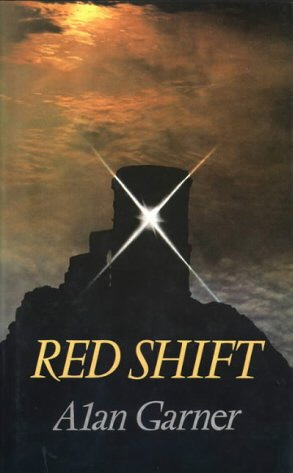
Red Shift

Red Shift by Alan Garner (1973). An ancient stone ax head connects the three young protagonists in this bleak science fiction novel set around Cheshire, England, during three time periods—the Roman Empire, the English Civil War, and the present day.
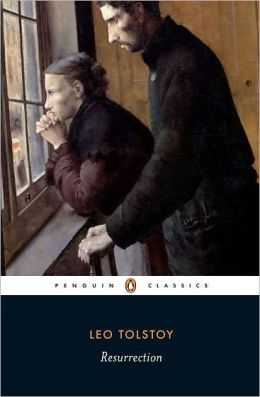
Resurrection

Resurrection by Leo Tolstoy (1899). As a juror on a Moscow murder trial, the middle-aged dandy Prince Nekhlyudov recognizes the defendant as a girl from his family’s country estate whom he had once seduced and abandoned. Blaming himself for her fate, he follows her into exile in Siberia to atone for his actions and the loss of his youthful idealism.

Right Ho, Jeeves

Right Ho, Jeeves by P. G. Wodehouse (1934). Including perhaps the funniest scene in the Wodehouse canon—Gussie Fink-Nottle’s drunken speech at the Market Snodsbury Grammar School—this madcap farce once again finds Bertie Wooster and his brilliant manservant Jeeves working to point Cupid’s arrows toward other hearts.

Rites of Passage

Rites of Passage by William Golding (1980). The first volume of Golding’s sea trilogy, this Booker Prize–winning novel is set on an early nineteenth-century ship bound for Australia. The story, told through the journal entries of aristocrat Edmund Talbot, centers on the death of a parson on board.

River of Earth

River of Earth by James Still (1940). Hailed upon its publication, then forgotten until it was reissued in 1978, this classic of Appalachian literature is narrated by a young boy whose Kentucky family is at a crossroads: Do they continue to lead their poor but independent life on the farm or go to work at the mining company?

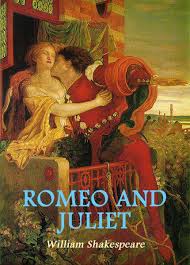
Romeo and Juliet

Romeo and Juliet by William Shakespeare (1595). The story of star-crossed Veronese lovers, this early romantic tragedy painfully depicts the fatal course of young lovers ruined by circumstances beyond their control, belonging as they do to two families who hate each other for long forgotten reasons.

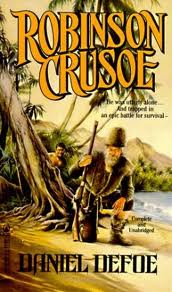
Robinson Crusoe

Robinson Crusoe by Daniel Defoe (1719). This rollicking yet existential adventure with deep religious undertones begins with fatherly advice: pursue a stable career. But the wastrel son denies his father because he is tempted by the sea. This salty path gets young Robinson kidnapped by Moorish pirates, sold into slavery, and shipwrecked on a remote island filled with cannibals.