Phineas Finn: The Irish Member
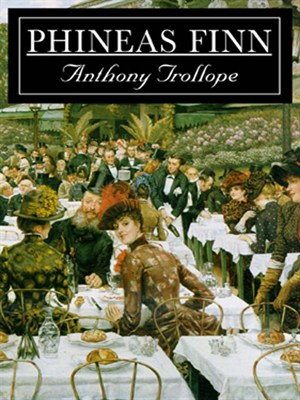 Phineas Finn: The Irish Member by Anthony Trollope (1869). A handsome, romantically profligate young Irishman, Phineas Finn leaves his sleepy home and secret fiancée for the political world of London.
Phineas Finn: The Irish Member by Anthony Trollope (1869). A handsome, romantically profligate young Irishman, Phineas Finn leaves his sleepy home and secret fiancée for the political world of London.
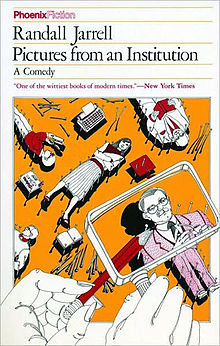 Pictures from an Institution by Randall Jarrell (1954). What happens when a brilliant poet writes a campus comedy? You get this lacerating look at academic pretensions and jealousies.
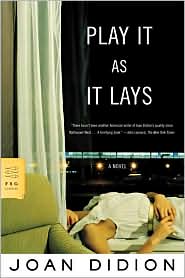 Play It as It Lays by Joan Didion (1970). So pared to the bone is Didion’s prose, so intimate her understanding of psychic pain, one pictures her writing not with a pen but a razor.
 Plays of Molière (1622–73). Even those who generally find French literature inscrutable enjoy Molière. Tartuffe, for example, the Christian hypocrite who attempts to seduce a young virgin, inhabits the same plane of immortality as Falstaff or Don Quixote.
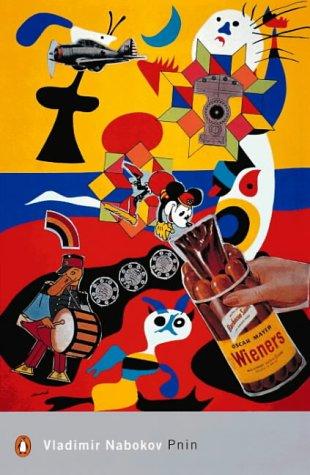 Pnin by Vladimir Nabokov (1953). This episodic novel details the often comic, unexceptional life of Timofey Pnin, a Russian teaching at an American college who has never mastered English or learned how to drive a car (like Nabokov himself). It is the telling of the tale that matters here, as Nabokov shifts time, mood, and perspective, eventually introducing a character, Mr.
 Poems of Emily Dickinson (1830–86).
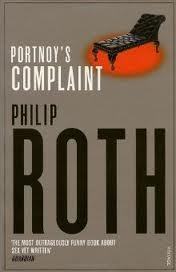 Portnoy’s Complaint by Philip Roth (1969). “I am the son in the Jewish joke,” Alexander Portnoy quips, “only it ain’t no joke.” Narrated as a confession to a doctor, the novel portrays Portnoy’s life as a long and tentative escape from the world of his hard-working, constipated father and his overbearing mother.
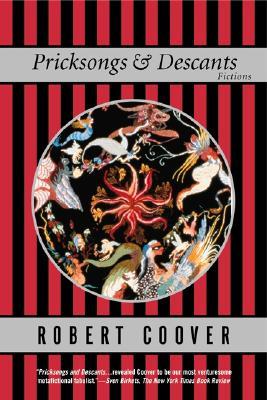 Pricksongs & Descants by Robert Coover (1969). The story lies in the telling in this groundbreaking collection of metafictions. Through rich, playful language, Coover reimagines traditional tales, including Hansel and Gretel, Little Red Riding Hood, and the Virgin birth.
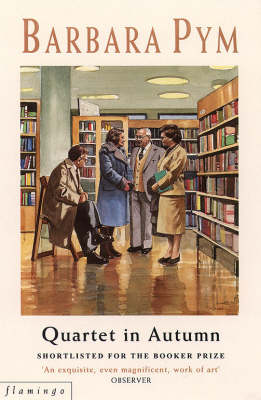 Quartet in Autumn by Barbara Pym (1977). Barbara Pym’s characters live in the margins of mid-twentieth-century English life, squirreled away in rooming houses, dead-end office jobs, and ever-shrinking church congregations. Her peculiar genius is to make these unpromising creatures the centerpieces of her work.
 Rabbit Angstrom— Rabbit, Run (1960), Rabbit Redux (1971), Rabbit Is Rich (1981),