Underworld

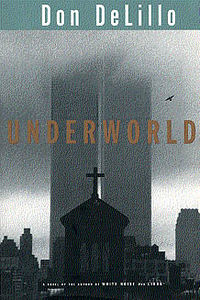
Underworld by Don DeLillo (1997). A finalist for the National Book Award, this literary page-turner is about the second half of the twentieth century in America and about two people, an artist and an executive, whose lives intertwine in New York in the fifties and again in the nineties. With cameo appearances by Lenny Bruce, J.
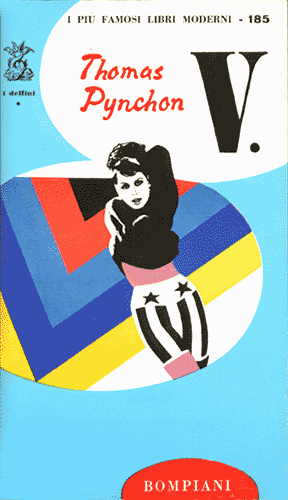
V.

V. by Thomas Pynchon (1963). This sprawling postmodern spy novel spiked with Rabelasian humor is ignited by a cryptic line in the journals of Herbert Stencil’s late father: “There is more behind and inside V. than any of us had suspected.

Vanity Fair

Vanity Fair by William Makepeace Thackeray (1847–48). The subtitle is “A Novel Without a Hero,” and never was a hero more unnecessary. In Becky Sharp, we find one of the most delicious heroines of all time. Sexy, resourceful, and duplicitous, Becky schemes her way through society, always with an eye toward catching a richer man.

Vile Bodies

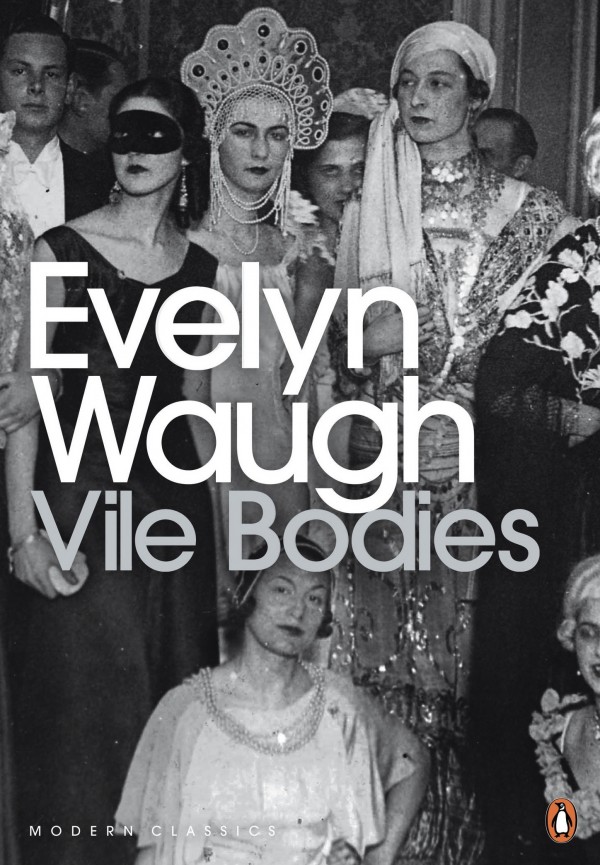
Vile Bodies by Evelyn Waugh (1930). This careening novel follows a group of shallow, well-off Brits to motor races and antic parties. Joining in on the Bright Young Things’ mad doings are a writer named Adam Fenwick-Symes and his on-again, off-again fiancée.

Voss

Voss by Patrick White (1957). A fearless man with a titanic ego, Johann Voss decides to prove his almost divine greatness by leading a party across the untamed Australian continent in 1845. Before his trip, he meets a young spinster with whom he will carry on a spiritual courtship through telepathy and dreams.

Washington Square

Washington Square by Henry James (1880). James deeply admired Balzac. Here he pays homage to the Frenchman by recasting the novel Eugénie Grandet. The setting now is New York but the dynamic is the same: despite her father’s best, often cruel, efforts, an unexceptional, though wealthy young woman falls in love with a dashing fortune hunter.