Tristram Shandy

Tristram Shandy by Laurence Sterne (1759–67). Sterne promises the “life and opinions” of his protagonist. Yet halfway through the fourth volume of nine, we are still in the first day of the hero’s life thanks to marvelous digressions and what the narrator calls “unforeseen stoppages”—detailing the quirky habits of his eccentric family members and their friends.
True Grit

True Grit by Charles Portis (1968). In this epic and often comic tale of retribution, greed, and ambition, sixty-nine-year-old spinster Mattie Ross recalls her youthful struggle to hunt down her father’s killer in the wild Indian territory of the 1870s. While Ross studies her scripture, she breaks bread with the foul-mouthed, seldom-sober Marshall who is helping her.

Turtle Moon

Turtle Moon by Alice Hoffman (1992). This is the story of a divorced woman, her disillusioned teenage son, and the events that change their lives in ways both simple and extraordinary. When Keith Rosen runs away from his Florida home - inexplicably taking along a motherless baby - his mother is perplexed and terrified. She takes off on her own journey to find him.

U.S.A. trilogy

U.S.A. trilogy by John Dos Passos (1938). Infused with the radical politics of the 1920s and 1930s and littered with newspaper excerpts, stream of consciousness prose, and biography, this triptych weaves an epic American narrative tapestry. Comprised of the novels The 42nd Parallel, 1919, and The Big Money, U.S.A.

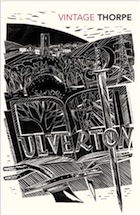
Ulverton

Ulverton by Adam Thorpe (1992). The fictional town of Ulverton—and the English language itself—are the central characters of this debut novel in which a dozen different voices detail three hundred years in the life of an English village. As he moves from the time of Cromwell to the 1980s in twelve rich chapters, Thorpe deploys language drawn from the period described.

Ulysses

Ulysses by James Joyce (1922). Filled with convoluted plotting, scrambled syntax, puns, neologisms, and arcane mythological allusions, Ulysses recounts the misadventures of schlubby Dublin advertising salesman Leopold Bloom on a single day, June 16, 1904.

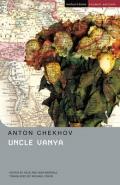
Uncle Vanya

Uncle Vanya by Anton Chekhov (1895). Chekhov helped transform the theater through his pioneering use of indirect action—the gunshot fired offstage—and his ability to develop themes not just through dialogue but by creating a mood or atmosphere on stage. He was also a master of characterization.