Maigret series of detective novels
 Maigret series of detective novels by Georges Simenon (1903–89).
Appreciation of Georges Simenon’s Maigret Detective Novels by Iain Pears
Maigret series of detective novels by Georges Simenon (1903–89).
Appreciation of Georges Simenon’s Maigret Detective Novels by Iain Pears
 The Makioka Sisters by Junichiro Tanizaki (1943–48). Serialized during wartime, this epic novel chronicles the decline of the Osaka family and the transformation of traditional Japanese society. As their fortunes wither, elder sisters Tsuruko and Sachiko try to preserve the family name and marry off the talented, sensitive Yukiko.
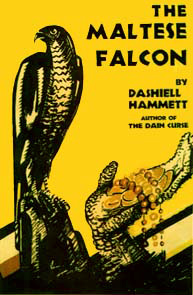 The Maltese Falcon by Dashiell Hammett (1930). Shortly after San Francisco private eye Sam Spade accepts a case from a beautiful and mysterious young woman, his partner, Miles Archer, is killed. Though Spade despised him, his code of honor compels him to solve Archer’s murder.
 The Man Who Loved Children by Christina Stead (1940).
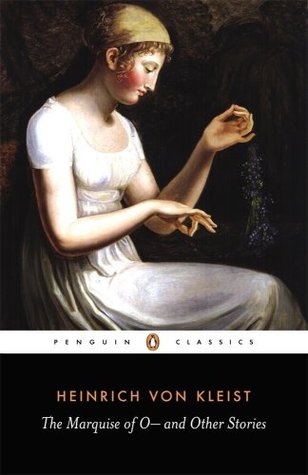 (2) The Marquise of O— and Other Stories by Heinrich von Kleist (1777–1811).
Appreciation of Heinrich von Kleist’s The Marquise of O— and Other Stories by Paula Fox
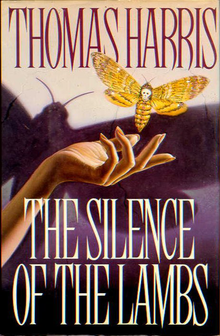 The Silence of the Lambs by Thomas Harris (1988). Dr. Hannibal “the Cannibal” Lecter is a deranged serial killer and a brilliant psychiatrist—who better to help the FBI profile psychos like Buffalo Bill, who loves peeling the skin off his lovely young victims? So the Bureau dispatches Clarice Starling, a smart, charming, slightly vulnerable agent, to Lecter’s prison cell.
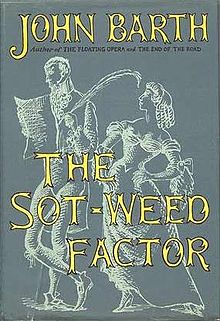 The Sot-Weed Factor by John Barth (1960). Digressions, asides, and stories within stories fill this bawdy, raucous parody of eighteenth-century fiction that reimagines the life of Ebenezer Cooke, who wrote a satirical poem titled The Sot-Weed Factor in 1708.
 The Sound and the Fury by William Faulkner (1929). A modernist classic of Old South decay, this novel circles the travails of the Compson family from four different narrative perspectives.
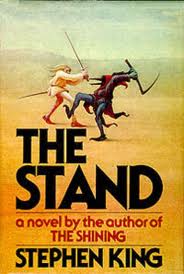 The Stand by Stephen King (1978). This vivid apocalyptic tale with dozens of finely drawn characters begins with the military’s mistaken release of a deadly superflu that wipes out almost everyone on earth. The few survivors, spread out across the barren United States, are visited in their dreams by a kindly old woman in Nebraska and a sinister man in the West.
 The Story of the Stone by Cao Xueqin (c. 1760). This bawdy, funny, surreal, and encyclopedic Chinese classic stretches across 120 chapters. Reality and illusion shift constantly in the world of Jia Baoyu, scion of the wealthy but declining Jia family.