The Thin Red Line
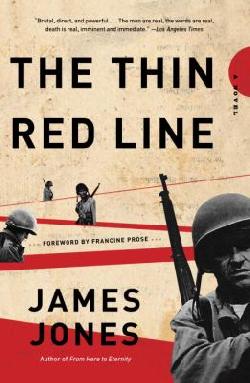 The Thin Red Line by James Jones (1962). Green recruits become hardened soldiers, their eyes reflecting the “thousand yard stare” of those who have seen too much, in this novel set during World War II’s battle for Guadalcanal.
The Thin Red Line by James Jones (1962). Green recruits become hardened soldiers, their eyes reflecting the “thousand yard stare” of those who have seen too much, in this novel set during World War II’s battle for Guadalcanal.
 The Things They Carried by Tim O’Brien (1990). A Vietnam vet, O’Brien established himself as a chronicler of the war in nonfiction works such as If I Die in a Combat Zone (1973) and his National Book Award–winning novel Going After Cacciato (1978).
 The Third Policeman by Flann O’Brien (composed 1939-40; published 1967).
Appreciation of Flann O’Brien’s The Third Policeman by A. L. Kennedy
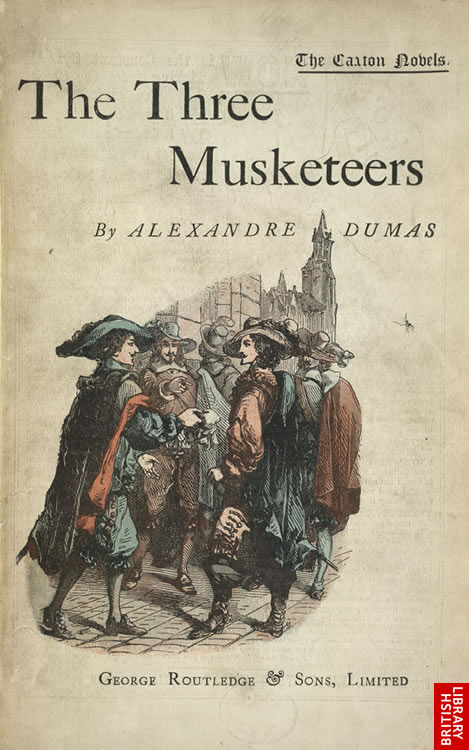 The Three Musketeers by Alexandre Dumas (1844). “An almost endless chain of duels, murders, love affairs, unmaskings, ambushes, hairbreadth escapes, wild rides,” is how the critic Clifton Fadiman described this swashbuckling tale.
 The Three Sisters by Anton Chekhov (1901). In this gloomy Russian drama, the youthful hopes of siblings Olga, Masha, and Irina Prozorov curdle with time into the desperate sins and bitter resentments of later life.
 The Time of the Doves by Mercè Rodoreda (1962). The author uses a stream of consciousness technique to describe the fraught experiences and often choked-off feelings of a Spanish shopkeeper during the 1930s and 1940s as her nation becomes gripped by civil war and fascism.
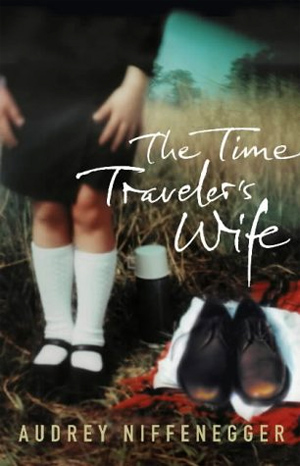 The Time Traveler's Wife by Audrey Niffennegger (2003). This is the remarkable story of Henry DeTamble, a dashing, adventuresome librarian who travels involuntarily through time, and Clare Abshire, an artist whose life takes a natural sequential course.
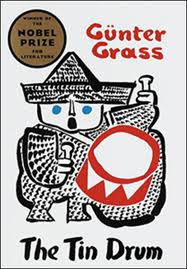 The Tin Drum by Günter Grass (1959). This picaresque novel depicts the rise of Nazism in Germany and its terrible consequences through the adventures of Oskar Matzerath, “the eternal three-year-old” who stunts his growth at three feet and uses his tin drum and piercing screams as weapons against a mad world.
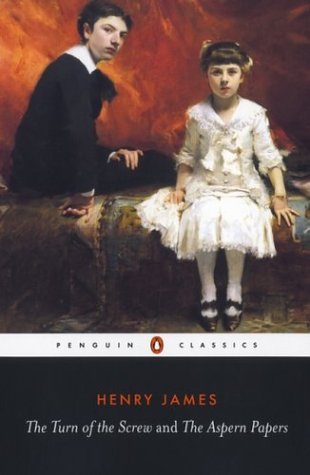 The Turn of the Screw by Henry James (1898). A young governess who is the sole caregiver for two charming children living in a remote country manor finds herself battling for their very souls. James’s story of psychological duress and obsession has been called a ghost story, a thriller, and a horror tale.
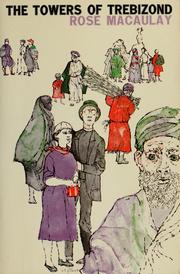 The Towers of Trebizond by Rose Macaulay (1956). In the tradition of novels satirizing encounters between eccentric British characters and foreign cultures, Macaulay follows the efforts of four travelers to improve women’s rights, and spread the blessings of the Anglican church, in Turkey. The novel’s first half brims with sharp comic insights.