The Confidence-Man: His Masquerade
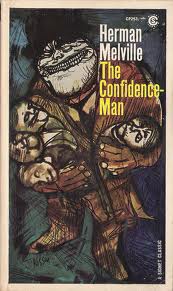 The Confidence-Man: His Masquerade by Herman Melville (1857). Truth, trust, and hope serve as plot and protagonist in this often comic, philosophical novel that anticipated postmodernism by a century.
The Confidence-Man: His Masquerade by Herman Melville (1857). Truth, trust, and hope serve as plot and protagonist in this often comic, philosophical novel that anticipated postmodernism by a century.
 The Count of Monte Cristo by Alexandre Dumas (1844). The fastest fifteen hundred pages in world literature begins on the wedding day of Edmond Dantès, when he is falsely accused of treason. He is condemned to a remote prison where he finds out who framed him and about a treasure hidden on the Island of Monte Cristo.
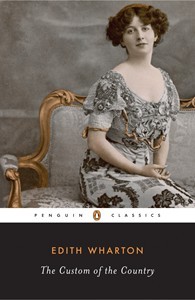 The Custom of the Country by Edith Wharton (1913). A sharp critique of the limits society placed on women and the empty dreams it manufactured for them, this novel tells the story of Undine Spragg, a relentless social climber who will attach herself to any man to raise her station.
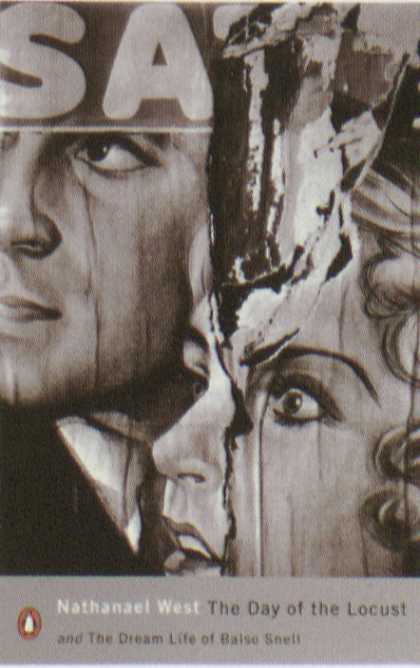 The Day of the Locust by Nathanael West (1939). Hollywood is not alluring in this savage, apocalyptic novel about fame and its perversions. Painter Tod Hackett comes to Hollywood to design sets and find success.
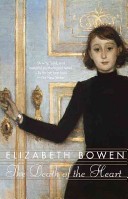 The Death of the Heart by Elizabeth Bowen (1938). When orphaned teenager Portia Quayne comes to London to live with her effete, older half-brother Thomas and his cynical, sophisticated wife Anna, she finds warmth only in a crusty family servant—and in the inappropriate attentions of family friend Eddie, who toys heartlessly with the girl’s emotional adoration.
 The Decameron by Giovanni Boccaccio (1351–53). The Big Chill meets the Black Death when a group of seven women and three men leave Florence to escape the plague of 1348.
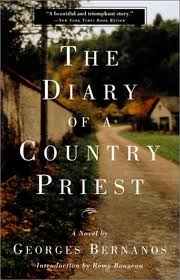 The Diary of a Country Priest by Georges Bernanos (1937). A profound story of Christian faith constructed of the thoughts, half-thoughts, jottings, and observations, the joys and disappointments, of a priest in provincial France. The protagonist suffers through the novel—he is a martyr to a dark, often wicked world.
 The Divine Comedy by Dante Alighieri (1321). Dante’s poetic trilogy traces the journey of a man’s soul from darkness (The Inferno) to the revelation of divine light (Paradiso) while providing commentary and gossip about the politics and prominent families of Florence.
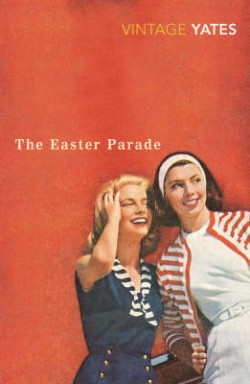 The Easter Parade by Richard Yates (1976). Carolyn Leavitt writes: “Yates is one of my favorite writers, and he really isn’t as well known as he should be. This searing story of two sisters, both destined for unhappiness, and their unfolding lives, is riveting. The novel follows the sisters, children of divorce, over four decades.
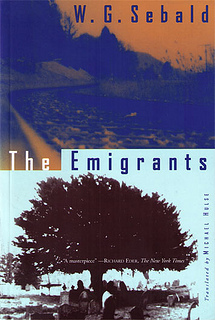 The Emigrants by W. G. Sebald (1992). The German writer’s works are melancholy compressions of life stories lined with large, historical themes.