The Canterbury Tales
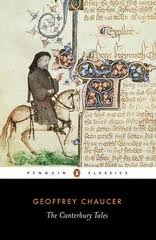 The Canterbury Tales by Geoffrey Chaucer (1380s?). Not so much a single poem as a gathering of voices ranging from bawdy to pious, this captivating work presents a panoramic view of medieval England. Vivid, direct, and often irresistibly funny, the tales are told by pilgrims making their way to Canterbury to visit the shrine of Saint Thomas Beckett.
 The Catcher in the Rye
 The Charterhouse of Parma
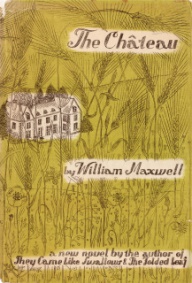 The Chateau
 The Color Purple
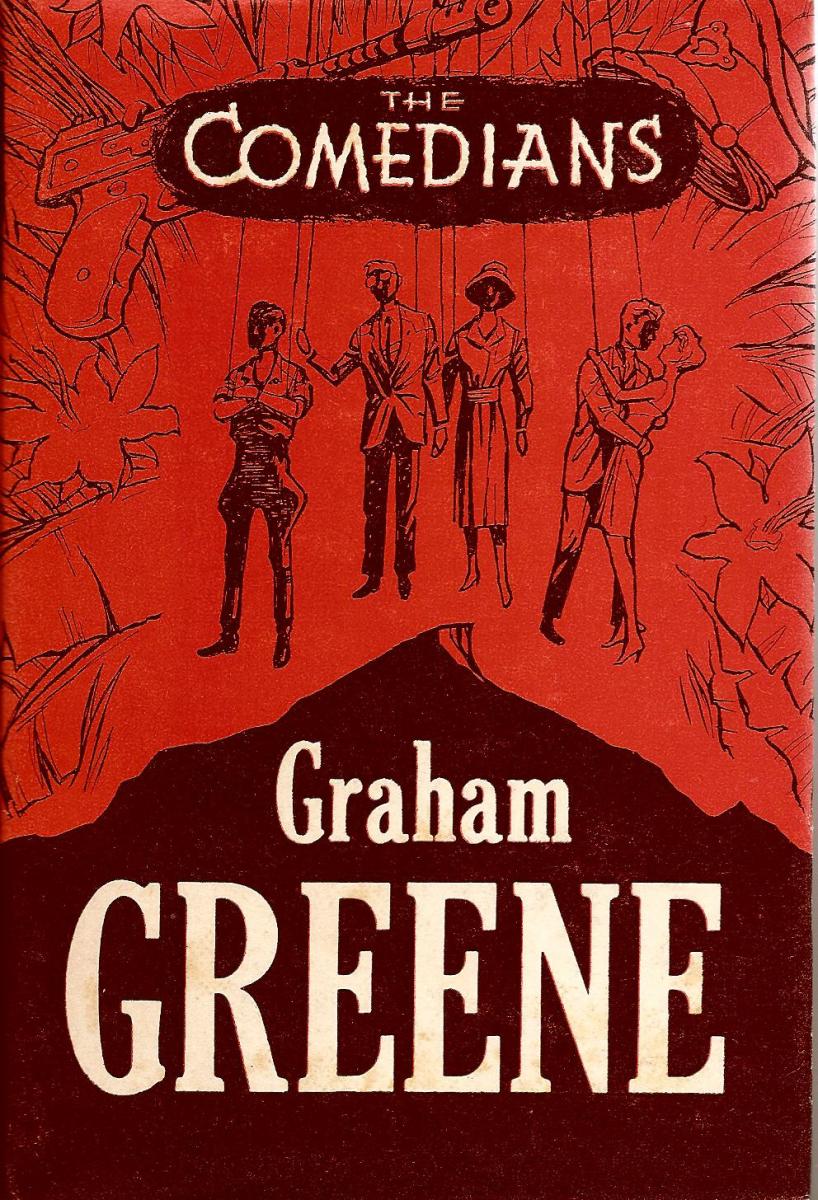 The Comedians
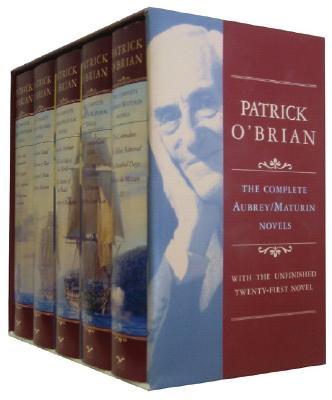 The Complete Aubrey/Maturin novels