Sullivan's Travels, The Lady Eve, and The Palm Beach Story
 Sullivan’s Travels (1941), The Lady Eve (1941), and The Palm Beach Story (1942), three screenplays by Preston Sturges.
Sullivan’s Travels (1941), The Lady Eve (1941), and The Palm Beach Story (1942), three screenplays by Preston Sturges.
 Sunset Song by Lewis Grassic Gibbon (1932). In this first and best volume of his famed trilogy, A Scots Quair, Gibbon chronicles the growth to womanhood of Chris Guthrie, an intellectually ambitious Scottish girl at odds with her “backward” village and her dour Calvinist father.
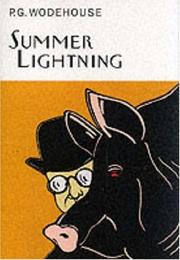 Summer Lightning by P. G. Wodehouse (1929). In more than ninety comic novels graced with odd names and perfectly weighted sentences, Wodehouse imagined a daft world of British privilege. He wrote many different series of books built around specific characters, including Mr. Mulliner, Psmith, Ukridge, and his most famous creations, Bertie Wooster and Jeeves.
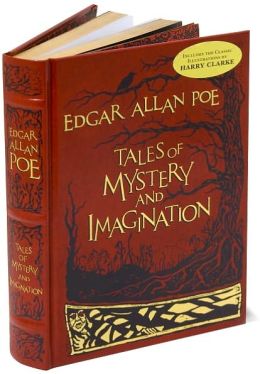 Tales of Mystery and Imagination by Edgar Allan Poe (1836–47). These pieces influenced almost every contemporary genre, from adventure stories (“The Narrative of A. Gordon Pym”) to amateur detective mysteries (“The Purloined Letter”) to lurid horror tales (“The Cask of Amontillado”).
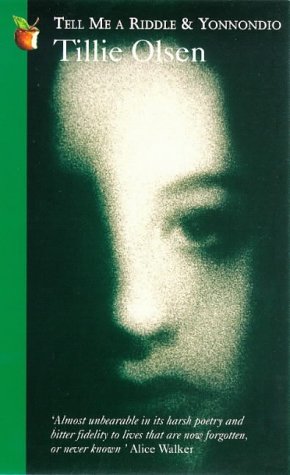 Tell Me A Riddle by Tillie Olsen (1961). A progressive activist and single mother who toiled beside and fought for the working class, Olsen was fifty years old when this, her first book, was published.
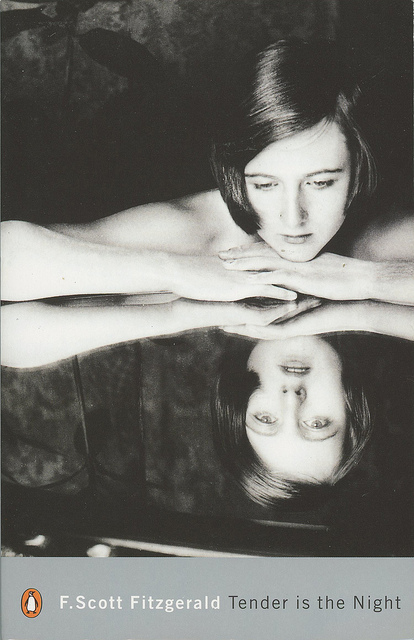 Tender Is the Night by F. Scott Fitzgerald (1934). The heartbreaking, semiautobiographical story of two expatriate Americans living in France during the 1920s: a gifted young psychiatrist, Dick Diver, and the wealthy, troubled patient who becomes his wife.
 Tennessee Williams: Plays 1937–1955. Through raw yet lyric depictions of violence, alcoholism, homosexuality, rape, loneliness, and frustrated passion, Williams helped transform and liberate the American theater.
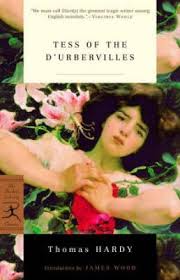 Tess of the D’Urbervilles by Thomas Hardy (1891). When Tess’s mother learns that her humble family has lofty bloodlines, she sends her daughter out to cadge funds and land a rich husband. Instead Tess suffers cruel mistreatment and becomes pregnant. The baby’s death unleashes torrents of grief, guilt, and religious doubt.
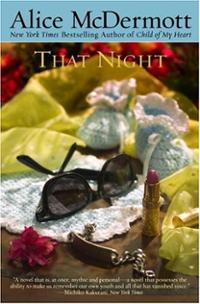 That Night by Alice McDermott (1987). Primal emotions surge beneath the veneer of 1960s suburban placidity in McDermott’s searing tale of innocence lost. With her teased hair and elaborate makeup, teenage Sheryl epitomizes glamour.