On the Eve
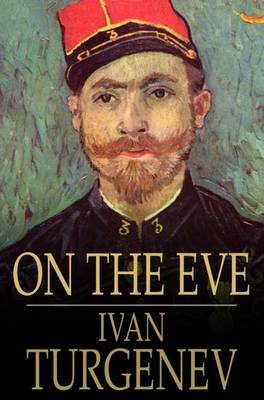 On the Eve by Ivan Turgenev (1860).
On the Eve by Ivan Turgenev (1860).
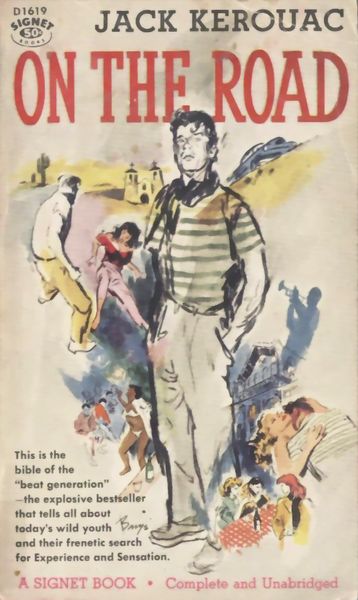 On the Road by Jack Kerouac (1957). The ur-novel of the Beat generation, Kerouac mythologizes an America that is always just over the next hill or waiting in the next bar, the next town, the next bottle, or a lover’s bed, and “the mad ones” who chase such visions.
 One Day in the Life of Ivan Denisovich by Alexander Solzhenitsyn (1962). The author draws on the eight years he spent in Soviet prisons to write this harrowing novel of the Soviet gulags. Inmates and prisoners are always cold, always hungry, always scheming for crumbs, and willing to betray each other for less in this Siberian labor camp.
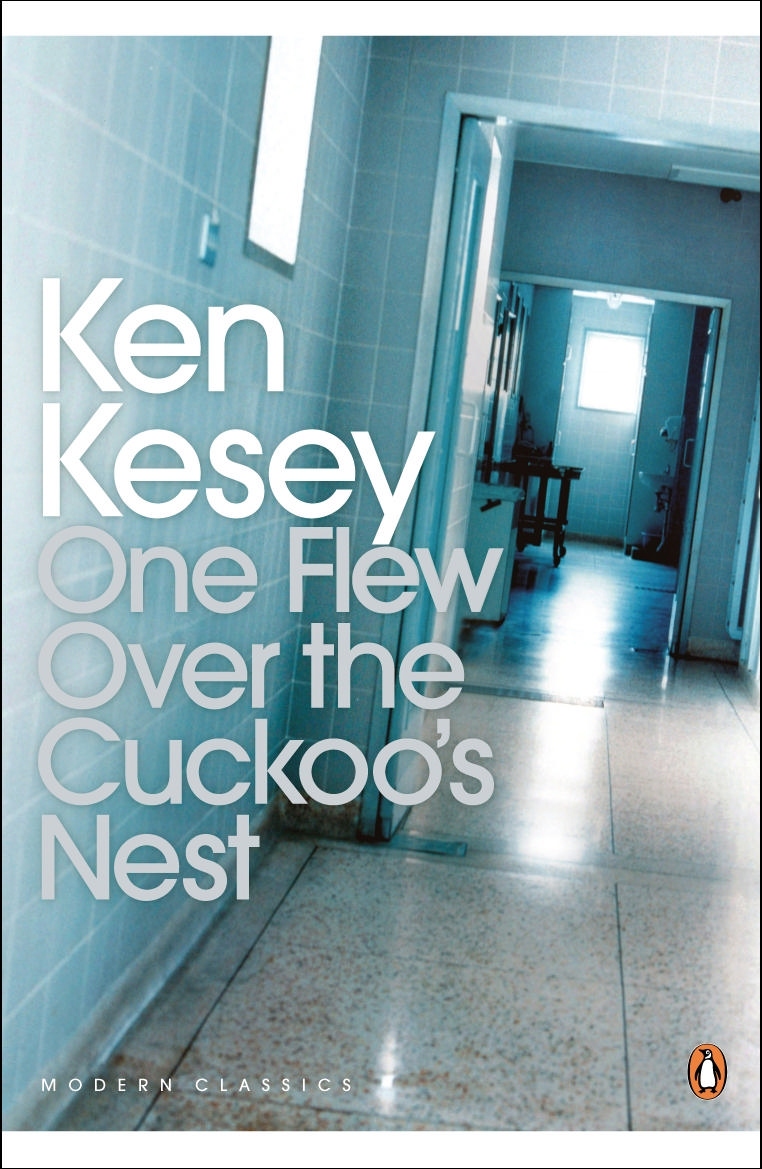 One Flew Over the Cuckoo’s Nest by Ken Kesey (1962). In Ken Kesey’s first novel, the insane asylum becomes an allegory for the larger world as the patients are roused from their lethargy by the arrival of Randall Patrick McMurphy, a genial, larger than life con man who fakes insanity to get out of a ninety-day prison sentence.
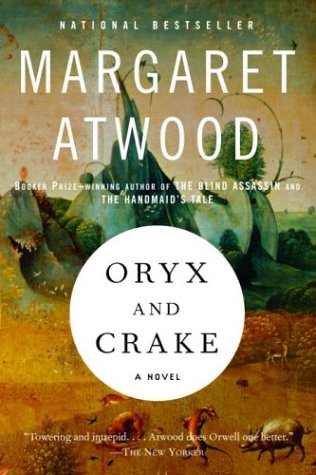 Oryx and Crake by Margaret Atwood (2003). In this richly imagined speculative novel spiked with doomsday humor, Atwood envisions a world where our hubris, obsessions with technology and profit, and environmental abuse result in hell on earth.
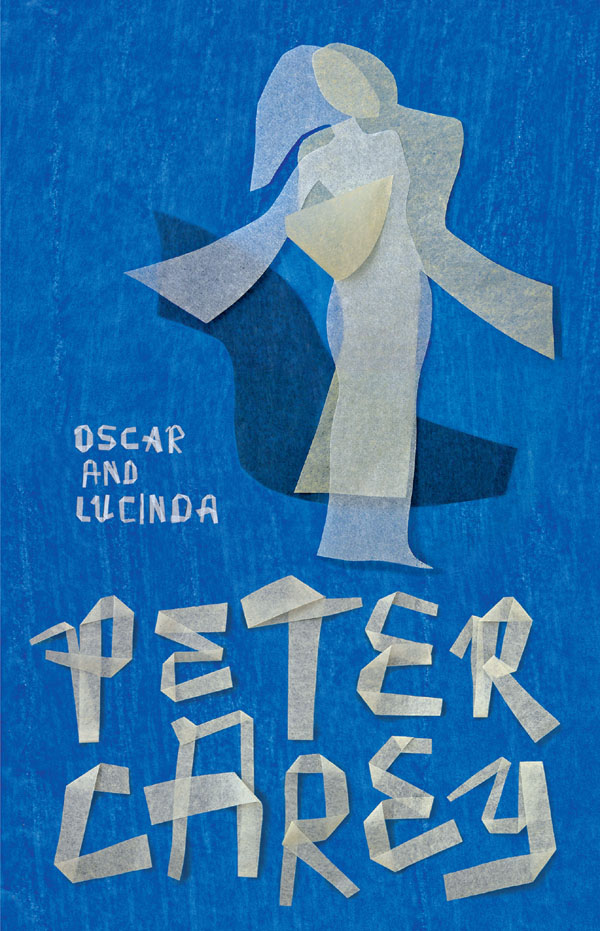 Oscar and Lucinda by Peter Carey (1988). Carey explores some of his favorite themes—chance, risk, and dreams—in this Booker Prize–winning novel.
 Othello, The Moor of Venice by William Shakespeare (1604). Othello centers on the black general of the Venetian army and his white wife, Desdemona, daughter of a Venetian senator.
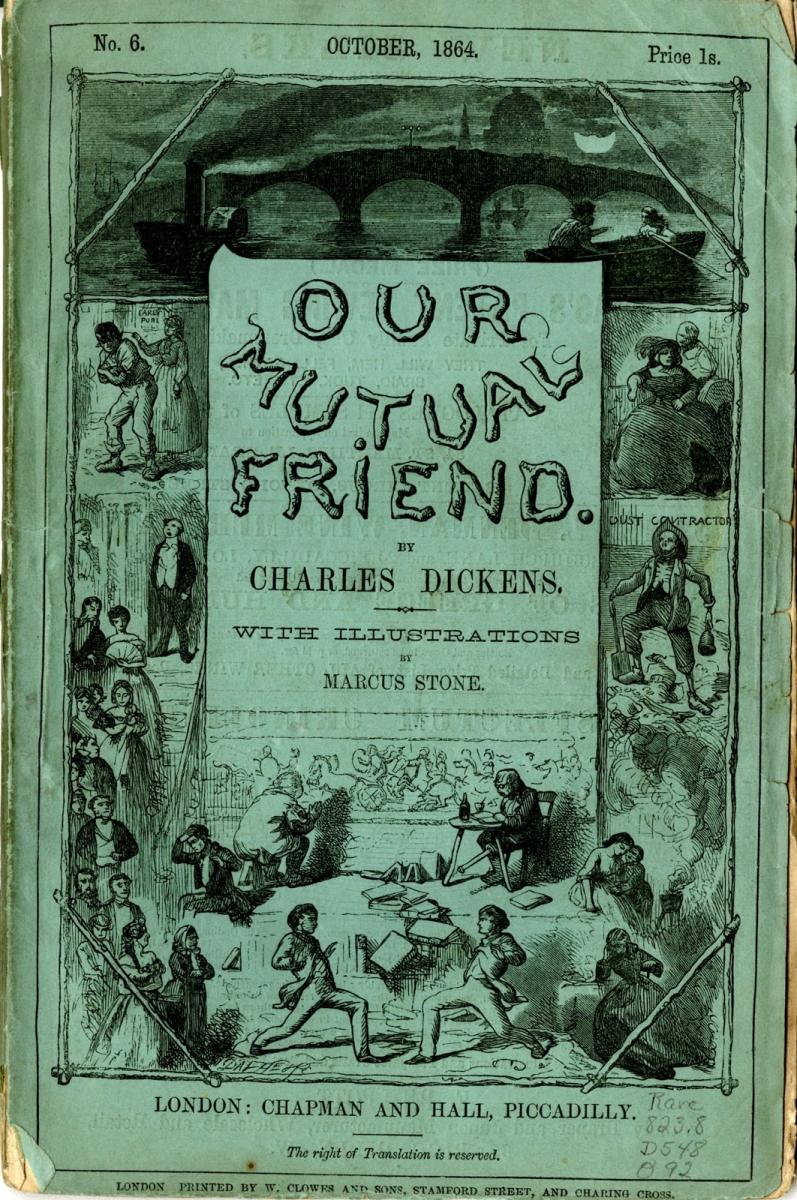 Our Mutual Friend by Charles Dickens (1864–65). A miserly father dies and leaves his fortune to his estranged son—so long as he marries a woman he’s never met. While returning home, John Harmon appears to be murdered. He survives and goes undercover. As John Rokesmith, he becomes secretary to the man next in line for his father’s estate, Mr. Boffin.
 Our Town by Thornton Wilder (1938). This enduringly popular, Pulitzer Prize–winning play depicts small-town New England life (in fictional Grovers Corners, New Hampshire) with a unique combination of warm sentiment, wry comedy, and even a touch of surreal modernism in its moving final act.
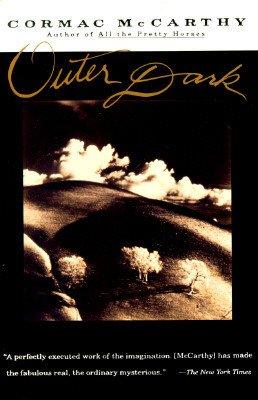 Outer Dark by Cormac McCarthy (1968). Outer Dark is a dark, Gothic tale set in Appalachia around the turn of the twentieth century. A woman is impregnated by her brother, who steals the child, leaves it in the woods, and tells her it has died of natural causes.