His Dark Materials

His Dark Materials by Philip Pullman (1995–2000). This epic trilogy, comprised of Northern Lights (a.k.a., The Golden Compass), The Subtle Knife, and The Amber Spyglass, reconceives Paradise Lost as an adventure/fantasy from an atheist, humanist perspective. Like Adam and Eve, Lyra and Will embrace knowledge. But for them it is the path to liberation, not damnation.
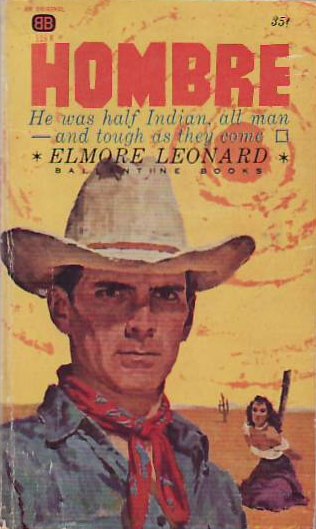
Hombre

Hombre by Elmore Leonard (1961). Displaying his trademark ability to turn pulp into art, Leonard elevates the classic Western through the story of John Russell, a white man raised partly by Apache Indians who taught him how to fight and survive. The action begins when Russell boards a stagecoach and is rejected by passengers because of his roots.
Howards End

Howards End by E. M. Forster (1921). This novel begins with literature’s most famous epigraph: “Only connect.” That search for human understanding—and the implied rarity of such knowledge—informs this saga of Margaret and Helen Schlegel, two bohemian sisters who become mixed up with the pragmatic, wealthy Wilcox family.

Howl

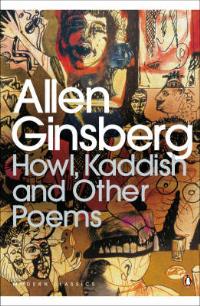
Howl by Allen Ginsberg (1956). The title poem is considered the signature poem of the Beat generation. In language that blesses, curses, sorrows, and comforts, Ginsberg laments “the best minds of my generation . . . destroyed by madness.” Begun in isolation and anger, the poem reaches a kind of saintliness and communion.

Ill Seen, Ill Said

Ill Seen, Ill Said by Samuel Beckett (1981). In terse, haunting prose, Beckett’s novella meditates on the absurdities of life and death, our grim longing for happiness, and “that old tandem” of reality and its unnamable “contrary.” The narrative itself, boiled down to poetic reflections, focuses on an old woman enduring her last days in a remote cabin.

Independent People

Independent People by Halldór Laxness (1934). The Icelandic Nobel laureate’s best novel is a chronicle of endurance and survival, whose stubborn protagonist Bjartür “of Summerhouses” is a sheepherder at odds with inclement weather, poverty, society in particular and authority in general, and his own estranged family.